PRIMERIDEPARTS PM835997D01 Carbon Fiber Rear Brake Pads 3PAIR
fits model: Yz125, Yz250, Kx125. make: Yamaha, Kawasaki. year: 1998–2002.
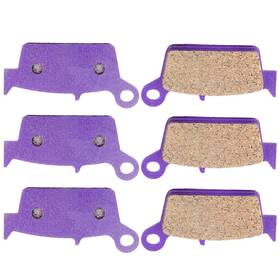
( Brand: Primerideparts ), ( Manufacturer Part Number: PM835997D01 ), ( Part Type: Pad Brake ), ( Manufacturer Warranty: 90 Day ), ( Material: Carbon Fiber ), ( Placement On Vehicle: Rear ), ( Package Include: 3 Pair Brake Pads )
Review PRIMERIDEPARTS 3pair Carbon Fiber Rear Brake Pads Yamaha Kawasaki fits YZ125 YZ250 KX125 1998–2002
The **Primeride Parts PM835997D01 3-Pair Carbon Fiber Rear Brake Pads** are a high-performance, precision-engineered upgrade designed specifically for the rear braking system of 1998 2002 Yamaha YZ125/YZ250 and Kawasaki KX125 models. Crafted from advanced carbon fiber composite materials, these brake pads deliver an exceptional balance of durability, heat resistance, and responsive stopping power, making them an ideal choice for riders seeking enhanced braking performance without compromising reliability. Unlike traditional organic or semi-metallic pads, these carbon fiber pads offer superior friction consistency, minimizing fade under heavy braking conditions critical for aggressive trail riding, racing, or high-speed descents. The lightweight yet robust construction reduces unsprung weight, improving overall handling and responsiveness, while the precise fit ensures optimal contact with the rotor, maximizing efficiency and longevity. Built to withstand the demands of off-road use, these pads are resistant to warping, chipping, and wear, ensuring prolonged performance even under extreme conditions. Whether you're tackling technical trails, pushing the limits in motocross, or simply upgrading for better control, the Primeride PM835997D01 carbon fiber rear brake pads provide a noticeable improvement in braking feel and confidence, making them a standout choice for discerning riders who demand the best from their components.
**Pros and Cons of Buying Primerideparts PM835997D01 (3-Pair Carbon Fiber Rear Brake Pads for 1998 2002 Yamaha YZ125/YZ250, Kawasaki KX125)**
### **Pros**
1. **Performance and Durability** Carbon fiber brake pads are designed to withstand high temperatures and provide consistent braking performance, which is beneficial for off-road riding where heat buildup can be an issue. They resist wear better than traditional ceramic or semi-metallic pads, potentially extending the life of your brake rotors.
2. **Reduced Dust and Noise** Carbon fiber pads generate less dust compared to metallic or semi-metallic alternatives, keeping your bike cleaner and reducing the need for frequent cleanings. They also produce less brake squeal or grinding noise, contributing to a quieter riding experience.
3. **Lightweight** Carbon fiber is significantly lighter than traditional materials, which can slightly reduce unsprung weight on your bike. This may improve handling and acceleration, though the difference is minimal on a 125/250cc dirt bike.
4. **Compatibility** These pads are specifically designed for the rear brake of the 1998 2002 Yamaha YZ125/YZ250 and Kawasaki KX125, ensuring a proper fit without modification. They should work seamlessly with the stock brake caliper and rotor.
5. **Long-Term Cost Efficiency** While the upfront cost is higher than basic brake pads, their durability and resistance to wear can reduce the need for frequent replacements, potentially saving money over time.
6. **Improved Braking in Wet Conditions** Carbon fiber pads often maintain better braking performance in wet or muddy conditions compared to some metallic pads, which can become glazed or less effective when wet.
---
### **Cons**
1. **Higher Initial Cost** Carbon fiber brake pads are more expensive than standard ceramic or semi-metallic pads. For a budget-conscious rider, this may be a significant upfront investment, especially if you re replacing both front and rear pads.
2. **Limited Availability and Specialty Purchase** These pads are not as widely stocked as generic brake pads. You may need to order them online from specialty suppliers like Primerideparts, which could involve shipping delays or additional costs.
3. **Potential for Overkill on Small Displacement Bikes** On a 125cc or 250cc dirt bike, the rear brake is often secondary to the front brake for stopping power. Carbon fiber pads may offer marginal benefits over high-quality ceramic or semi-metallic pads, making the upgrade less critical for performance.
4. **Installation and Break-In Period** Carbon fiber pads require a proper break-in period (typically 50 100 miles) to achieve optimal performance. If not broken in correctly, they may not perform as expected initially. Additionally, improper installation (e.g., incorrect pad positioning or caliper adjustment) could lead to reduced effectiveness or premature wear.
5. **Environmental Sensitivity** Carbon fiber pads can be sensitive to contamination from oil, grease, or brake fluid. If your bike s brake system is not clean before installation, the pads may not perform as intended until thoroughly cleaned.
6. **Resale Value Impact** If you plan to sell the bike in the future, aftermarket carbon fiber pads may not appeal to all buyers, who might prefer stock or more common brake components.
---
### **Conclusion**
The **Primerideparts PM835997D01 carbon fiber rear brake pads** are a solid upgrade for riders who prioritize durability, reduced dust, and consistent braking performance, particularly in demanding conditions. They are well-suited for those who frequently ride in dusty, muddy, or high-temperature environments where traditional pads might wear out faster. However, for casual riders or those on a tight budget, the benefits may not justify the higher cost, especially since the rear brake on these bikes is often secondary to the front.
If you re replacing worn-out pads, upgrading to carbon fiber is a worthwhile investment for longevity and performance. If your pads are still in decent condition, the upgrade may not be necessary. For most riders, a high-quality ceramic or semi-metallic pad (e.g., from brands like Hawk, EBC, or Akebono) would offer a good balance of cost and performance.
### **Recommendation**
- **Buy these pads if:**- Your current rear brake pads are heavily worn or causing issues (e.g., excessive dust, noise, or reduced braking).
- You ride in harsh conditions (dust, mud, or high heat) where carbon fiber s advantages are most noticeable.
- You re already upgrading other components (e.g., rotors, calipers) and want a cohesive high-performance brake system.
- You re willing to pay the premium for longevity and reduced maintenance.
- **Consider alternatives if:**- Your rear brake pads are still functional, and you re looking to save money.
- You prefer a more common brake pad material (e.g., ceramic or semi-metallic) that is easier to find and replace.
- You prioritize cost efficiency over marginal performance gains, as the rear brake s role on these bikes is often secondary to the front.
For most riders, these carbon fiber pads are a **strong upgrade**, but weigh the cost against your riding habits and budget. If you decide to proceed, ensure proper installation and a thorough break-in to maximize their performance.
Details:
Dashboard warning: Some model's have a brake wear warning light. Brake pads and brake shoes are typically replaced every 30,000-50,000 kilometers front wheels or 60,000-100,000 rear wheels, depending on driving habits.Check 5000 during routine maintenance. Fault signals. Inspection frequency.
Thickness assessment. Package Include: 3 Pair Brake Pads. Excellent Delivery. Feel: Brakes become softer, pedal travel becomes longer, and braking performance decreases.
Position: Rear. New pads are approximately 1.5cm thick; the maximum wear thickness is 0.7cm including steel backing and friction material. Brake pad and brake shoe replacement. Abnormal noise:A metallic scraping sound is heard when braking usually due to the brake pads rubbing against disc.
Replace pads when the thickness is less than 3mm.
part #: pm835997d01 price
- $11.39
specifications motorcyclepadus:
- for models: Yz125, Yz250, Kx125
- for makes: Yamaha, Kawasaki
- for years: 1998-2002
- brand: Primerideparts
- mpn: Pm835997d01
- part type: Pad Brake
- manufacturer warranty: 90 Day
- material: Carbon Fiber
- placement on vehicle: Rear
- package include: 3 Pair Brake Pads
offer motorcyclepadus:
- started: June 6, 2026
- options: Ship-to-home
- sold: 0
- quantity: 5
- availability: In Stock
- best offers: True
seller motorcyclepadus:
- city: Ontario, California
- rating: 98.9%
- # reviews: 260
returns motorcyclepadus:
- paid by: Seller
- policy: Returns Accepted
- time: 30 Days
general motorcyclepadus:
- condition: New
- Motorcycle Scooter Parts Accessories > Brakes Brake Parts > Brake Pads
payments motorcyclepadus:
- credit card: Mastercard
- wallet: Google-pay
- other
shipping motorcyclepadus:
- type: Fixed
- cost: $0.00
- transit: 5-9 Days
- carrier: FedEx
- class: Economy
- service: FedEx Ground Economy
Primerideparts PM835997D01 Is Similar To:
- Primerideparts Pm052480d01 For Harley Davidson Fatboy Efi Flstfi Carbon Fiber Front Brake Pads (48.8% similar) Thickness assessment. For Harley Davidson fanboy efi Falstaff carbon fiber front brake pads. Brake pad and brake shoe replacement. Fits: 2005 Harley-Davidson anniversary Falstaff fanboy 2001 - 2005 classic efi flats heritage Softail 2000 - 2003 flatcar 2000 -2002 deuce fixated 2001 - 2006 ...(March 3rd, 2026)
- Primerideparts Pm836011d01 3pair Carbon Fiber Rear Brake Pads For 1993-99 Harley-davidson Efi Flstfi Fatboy (67.3% similar) Dashboard warning: some model's have a brake wear warning light. New pads are approximately 1.5CM thick; the maximum wear thickness is 0.7CM including steel backing and friction material. Abnormal noise:a metallic scraping sound is heard when braking usually due to the brake pads rubbing against ...(June 5th, 2026)
- Primerideparts Pm835992d01 6 Pair Carbon Fiber Brake Pads Fits 2006 2007 2008 Yamaha Yfm700r Yxr450fa (68.3% similar) Dashboard warning: some model's have a brake wear warning light. Package INCLUDE:6 pair brake pads. Excellent delivery. Inspection frequency: brake pads and brake shoes are typically replaced every 30,000-50,000 kilometers front wheels or 60,000-100,000 rear wheels, depending on driving habits.check...(June 5th, 2026)
- Primerideparts Pm835991d01 2 Pair Carbon Fiber Brake Pads For Polaris Mxr Outlaw 450 S 525 2009-2010 (64.7% similar) Excellent delivery. Package include: 2 pair brake pads. Position: front. Fits: 2014 Polaris Zr 570 2011 efi EPS 800 2012 le 2008 - 2013 2008 - 2011 IRS outlaw 525 2013 trail 2009 -2010 Mr 450 2008 -2010 inspection frequency. Brake pads and brake shoes are typically replaced every 30,...(June 5th, 2026)
- Primerideparts Pm835993d01 2 Pair Front Rear Brake Pads For Kawasaki Klf300c 4x4 Bayou 300 1989-2004 (64.7% similar) Position:front/rear. Thickness assessment. Abnormal noise:a metallic scraping sound is heard when braking usually due to the brake pads rubbing against disc. Dashboard warning: some model's have a brake wear warning light. New pads are approximately 1.5CM thick; the maximum wear thickness is 0.7CM ...(June 6th, 2026)
- Primerideparts Pm836024d01 2 Pair Front Rear Carbon Fiber Brake Pads Fits 2011-14 Polaris Diesel Ranger 900 (54.2% similar) Thickness assessment. Brake pad and brake shoe replacement. Abnormal noise:a metallic scraping sound is heard when braking usually due to the brake pads rubbing against disc. Package include: 2 pair brake pads. Replace pads when the thickness is less than 3MM. Brake pads and brake shoes are ...(June 6th, 2026)
- Primerideparts Pm836025d01 3 Pair Front And Rear Brake Pads For Polaris 4x4 Efi Ranger 500 2006-2009 2011-12 (55.8% similar) Package include: 3 pair brake pads. Inspection frequency. New pads are approximately 1.5CM thick; the maximum wear thickness is 0.7CM including steel backing and friction material. Fault signals. Abnormal noise:a metallic scraping sound is heard when braking usually due to the brake pads rubbing ...(June 6th, 2026)